
Hire an Attorney Who Will Fight For You
Criminal Defense & Personal Injury Attorney in Metro Detroit, MI
Criminal Defense for the Best Possible Outcome
When you’re charged with a crime, it can feel like your entire life is on trial — your freedom, your reputation, your future. The system can be intimidating, and too often, it feels like no one is truly on your side. That’s where we come in.
At Nicholas Somberg Law, we don’t just represent you — we fight for you. Every case is personal, and every client deserves a relentless defense. Whether you’re facing felony charges, DUI allegations, or need your record cleared through expungement, we stand between you and the full weight of the criminal justice system.
You deserve an attorney who will challenge every piece of evidence, every witness, and every claim against you — someone who knows the law, the courts, and how to win. Don’t wait until it’s too late to take control of your future.
Call today for a confidential consultation.
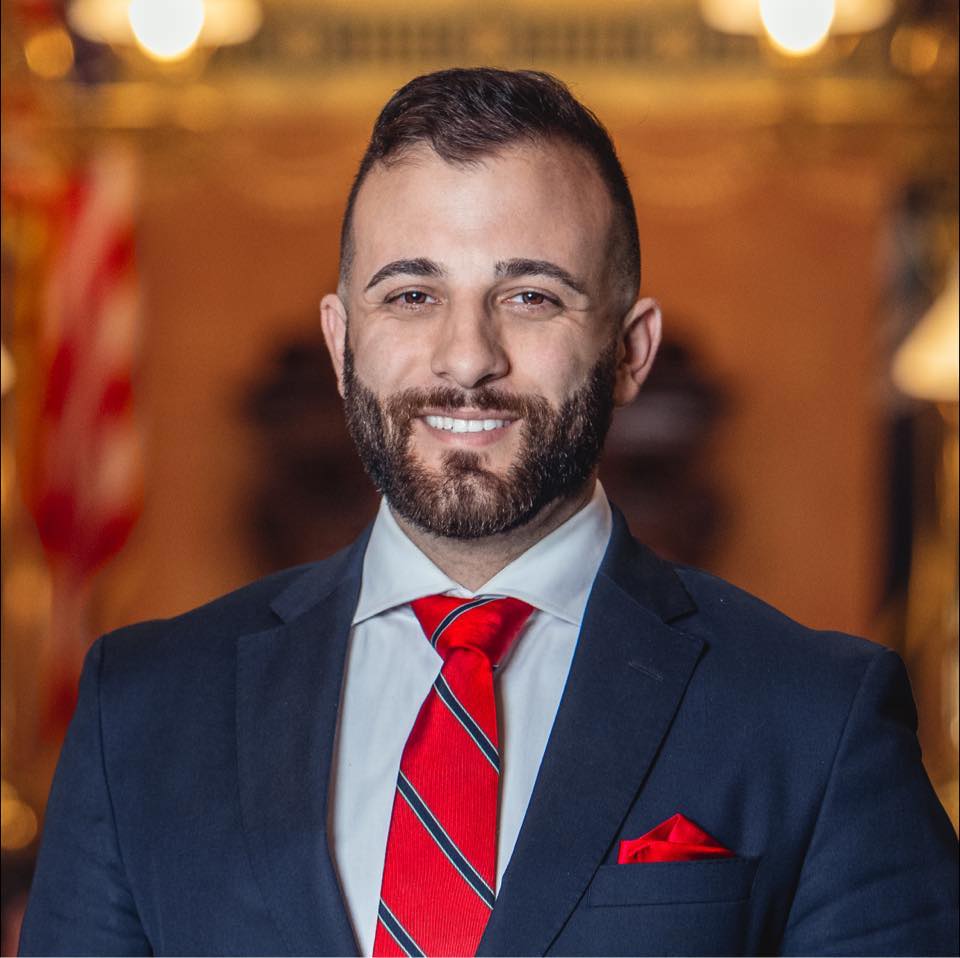
Nicholas Somberg
I believe that people in positions of power should be held accountable, and as a criminal defense attorney, I make sure those powerful people treat my clients with respect and dignity.
If you’re charged with a crime, you can count on me to stand up for your rights and protect your freedom, from the moment we meet to the conclusion of your matter.
Education
Thomas M. Cooley Law School
Jurisdictions
Licensed to practice in the State of Michigan
Practice Areas
With years of proven success, our law firm has built a reputation for securing favorable outcomes and delivering justice for clients across a wide range of practices
EXCELLENT Based on 172 reviews
 Posted on Google
 Mason RouleauHighly recommend. Great guy/lawyer. Want to feel the tension in the room and walk into court with confidence. Don't hesitatePosted on Google
 Platinum WSSomberg Law exceeded my expectations in every way. Nick's guidance made a stressful situation much easier to navigate. Highly recommend.Posted on Google
 Mike DukajI can’t recommend Somberg Law highly enough. From start to finish, Nick was incredibly professional, responsive, and helpful. He explained every step clearly, answered all my questions with patience, and fought hard to get the best possible outcome. It’s rare to find a law firm that combines legal expertise with such a high level of personal care, but Somberg Law delivers both. If you’re looking for a trustworthy, experienced, and client-focused attorney, call Nick.Posted on Google
 Chris HubelNick is hands down one of the best attorneys out there—and just an all-around great guy. Professional, sharp, and genuinely easy to work with. Highly recommend!Posted on Google
 David CowartGood morning ladies and gentlemen this is David Clark I would like to express the my opinion towards next time Burger attorney at law. I've been with Nick for 9 years now he's representing me on many cases he's made a lot of things get dismissed so forth and so other it's very grounded in the Oakland county community as well as other areas as far as up north. My point being is this he's a very good criminal attorney he is fair as well as going above and beyond the call of duty. I highly recommend Nick somber because he's the man that will get the job done and he stands up against the law which is rare because as we know today a lot of attorneys work with prosecutors and that's one game Nick does not play he's the man so call NickPosted on Google
 Aqua Flow PlumbingThank you for defending precedent. Real American citizens thank you for your dedication to deliver succinct, respectful, and correct rebuttal. You’re an inspiration, Nicholas.Posted on Google
 Stacie DavisHe is a great guy he helps out alotPosted on Google
 Luke WaattiNick was incredibly helpful and knowledgeable!I have a complicated legal issue and was feeling completely lost, but he patiently listened to my concerns and provided clear, actionable advice. He treated me with respect and made me feel like my issue mattered. I would highly recommend his services to anyone in need of legal assistance!
